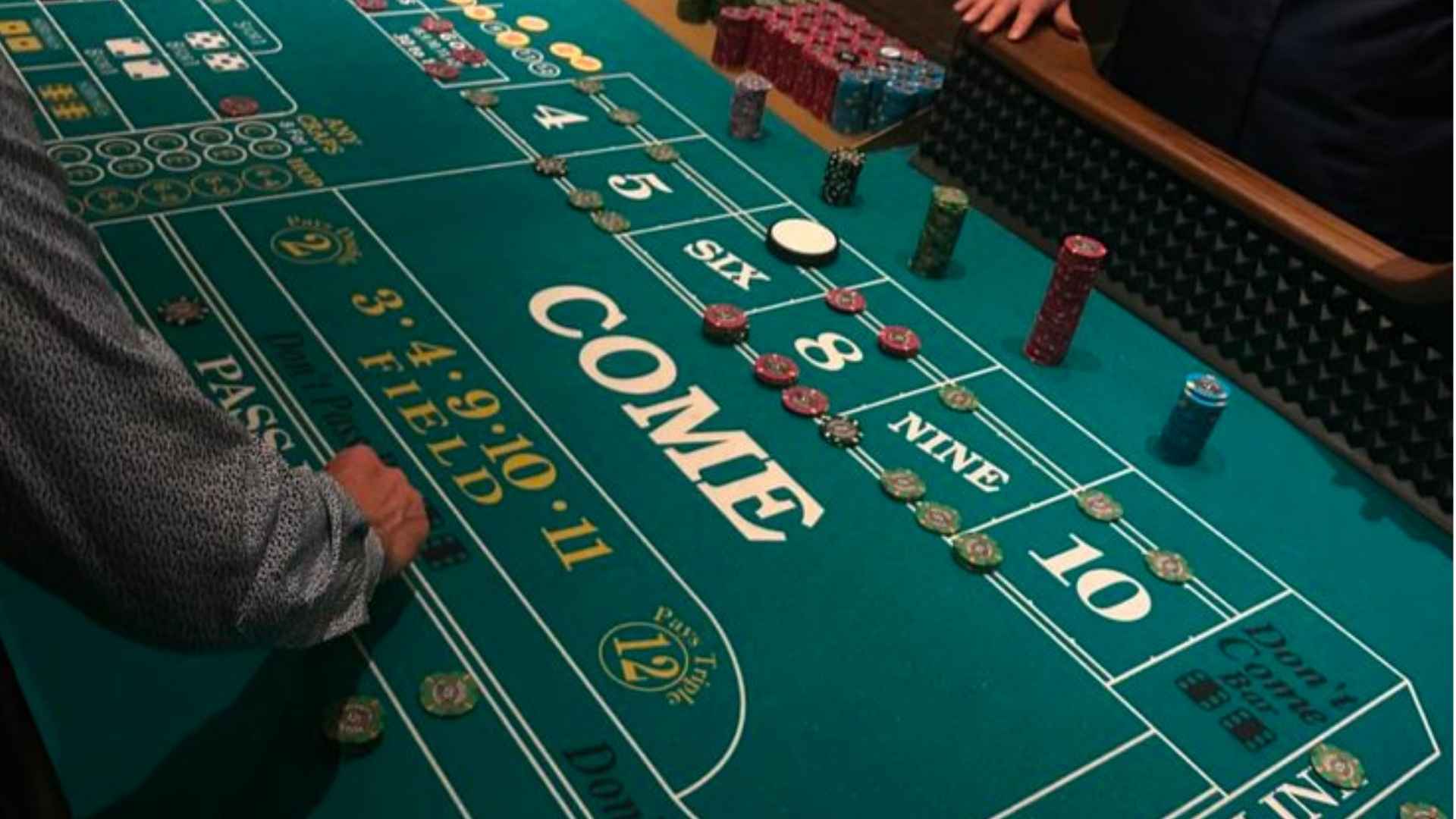
Baccarat tournaments present a unique competitive arena where success depends heavily on structured preparation and strategic adaptations. Unlike traditional casino games where individuals face the house in isolation, tournament formats require players to outlast their peers through calculated progression. Developing a routine of disciplined chip tracking and behavioral observation forms the foundation for long-term consistency at the tables.
Tracking Opponent Chips and Positions
In a tournament structure, your primary goal is to outpace the chip stacks of other players over a designated number of rounds. Competitors must constantly track the relative standings at the table to determine their betting sizes effectively. Success relies heavily on understanding how the moving first-bet marker impacts your tactical positioning during each round.
Acting last in a betting cycle provides a significant informational advantage over your closest rivals. Elite players leverage this position to copy or counter the betting patterns of the current table leaders. Adapting your risk level based on these real-time observations remains a key trait of successful tournament competitors.
Adapting Risk Across Tournament Phases
The early phases of a baccarat tournament demand a balanced approach focused entirely on capital preservation. Rash decisions during these opening deals often lead to early elimination before the significant prize rounds begin. Maintaining a steady chip stack ensures you remain viable for the intense late-stage changes.
Transitioning into the middle and late stages requires a visible shift in mindset and execution to maintain a competitive edge. Utilizing updated platforms like the M88 Login alternatif enables dedicated players to study structured betting formats in realistic environments. Knowing when to switch from conservative accumulation to aggressive wagering separates leaderboard champions from casual participants.
Cultivating Mental Toughness and Discipline
Reaching the final table introduces intense psychological pressure that can cloud tactical decision-making. Managing this performance anxiety requires a solid combination of emotional control and strict adherence to mathematical probabilities. Successful competitors focus on long-term strategy rather than temporary streaks of luck.
Reviewing historical event outcomes and practicing specific scenario responses builds the muscle memory needed for victory. Every hand dealt provides valuable data that shapes your future competitive instincts at the table. Dedication to mastering these subtle nuances will elevate your tournament performance to professional standards.